
The morning of a dental visit often comes with a subtle mix of routine compliance and slight apprehension. Even for those who never miss a six-month appointment, sitting in the dental chair while surrounded by metallic instruments can feel a bit mysterious. Most people understand that the goal is a cleaner, healthier mouth, yet the specific sequence of events unfolding behind the protective eyewear remains surprisingly opaque. Knowing the precise steps involved in the process transforms a passive obligation into an empowered healthcare routine.
The Initial Assessment and Visual Exam
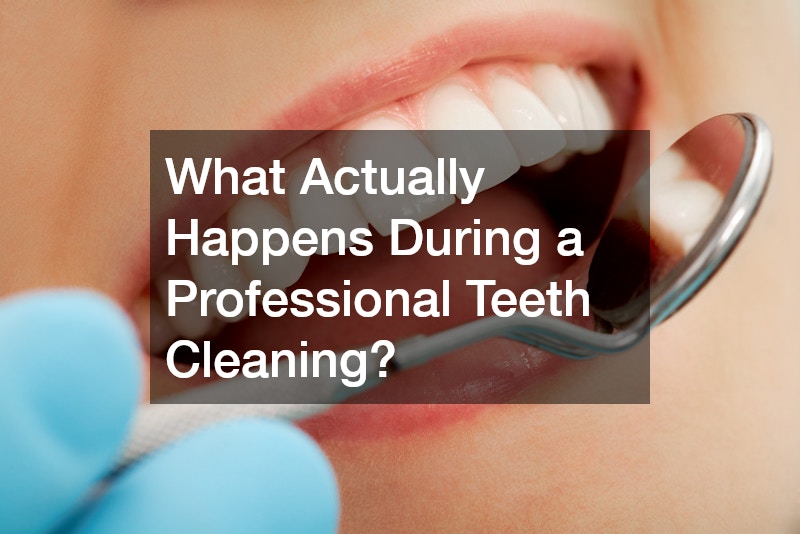
Before any polishing or specialized tools come into play, the session begins with an evaluation of the oral environment. A dental hygienist starts by examining the mouth using a small concave mirror to check the surface of every tooth and the surrounding soft tissue.
This stage is not merely a quick glance; it is a critical diagnostic scan to identify potential areas of concern such as early decay, inflammation, or structural damage.
Checking for Signs of Inflammation
The health of the gums serves as the foundation for overall oral stability. During the initial exam, particular attention is given to the color, texture, and contour of the gum tissue. Healthy gums present a firm, light pink appearance, whereas red, swollen, or easily bleeding tissue signals gingivitis or more advanced periodontal distress. Catching these early signs allows the care team to tailor the subsequent care to your exact clinical needs.
Measuring Gum Pocket Depths
To gain a complete picture of tissue health, the hygienist uses a specialized measuring instrument called a periodontal probe. This thin, calibrated tool is gently inserted into the natural groove between the tooth and the gum line. A measurement of one to three millimeters indicates healthy attachment, while deeper pockets suggest that plaque accumulation has begun to break down the supporting tissue structures, signaling a need for deeper therapeutic care.
Removing Accumulations Above and Below the Gumline
Once the initial visual scan is complete, the physical removal of buildup begins. Daily brushing and flossing are essential, but even the most diligent home routine leaves behind tiny amounts of plaque. Over time, saliva minerals cause this soft biofilm to harden into calculus, commonly known as tartar. Once calculus forms, household toothbrushing can no longer dislodge it, requiring professional intervention.
Breaking Down Hardened Tartar
Hygienists rely on a combination of hand instruments, known as scalers and curettes, as well as modern ultrasonic devices to detach hard deposits from the enamel. Ultrasonic tools use high-frequency sound vibrations combined with a fine mist of water to shatter and flush away thick calculus deposits rapidly. Hand instruments are then used with precise tactile feedback to smooth away remaining micro-deposits, particularly in tight spaces between neighboring teeth.
Addressing the Space Between Teeth
Plaque and calculus frequently hide in the narrow interdental spaces where standard toothbrush bristles cannot reach. During this phase, the clinician manually cleans these contact points, ensuring that the smooth surfaces of adjacent teeth are entirely cleared of bacterial residue. This thorough clearing helps stop decay from forming in hidden, hard-to-detect areas.
Deep Surface Cleaning and Polishing
With the structural buildup removed, attention shifts to restoring the smooth surface of the tooth enamel and removing superficial stains caused by coffee, tea, or food pigments.
Smoothing the Enamel
Polishing is executed using a motorized handpiece fitted with a soft, flexible rubber cup. A gritty, paste-like material is applied to the teeth, working much like a gentle abrasive to buff away micro-roughness. Creating a glassy, slick enamel surface is not purely aesthetic; bacteria struggle to attach to smooth surfaces, meaning this step actively delays the formation of fresh plaque layers in the days following your visit.
Professional Flossing and Rinsing
After polishing, a comprehensive flossing pass removes any residual polishing paste or fine debris trapped between the teeth. To finish the mechanical portion of the care, a thorough liquid rinse flushes out remaining particles, leaving the oral cavity feeling remarkably fresh and completely clean.
Preventative Treatments and Long-Term Guidance
The final phases of the appointment focus on protecting the freshly cleaned enamel and providing customized advice for home maintenance.
Rebuilding Enamel Resilience
In many appointments, a targeted fluoride treatment is applied as a final protective barrier. Fluoride helps remineralize weak spots on the enamel, reinforcing the outer layer against acidic attacks from oral bacteria. This treatment may come in the form of a sticky varnish painted onto the teeth or a foamy gel held in a mouth tray for a brief minute.
Personalized Home Care Advice
Every mouth presents a unique anatomical landscape, and no two individuals share the exact same oral microbiome or habits. Before you leave the chair, the clinician reviews any specific areas where plaque was accumulating and offers guidance on technique, brush type, or supplementary tools like interdental brushes or water flossers.
Undergoing a professional teeth cleaning is a structured, science-backed procedure designed to preserve both immediate comfort and long-term structural health. Understanding each phase—from microscopic inspection to structural scaling and protective fluoride application—demystifies the chairside experience, making it easier to prioritize regular preventative care.