
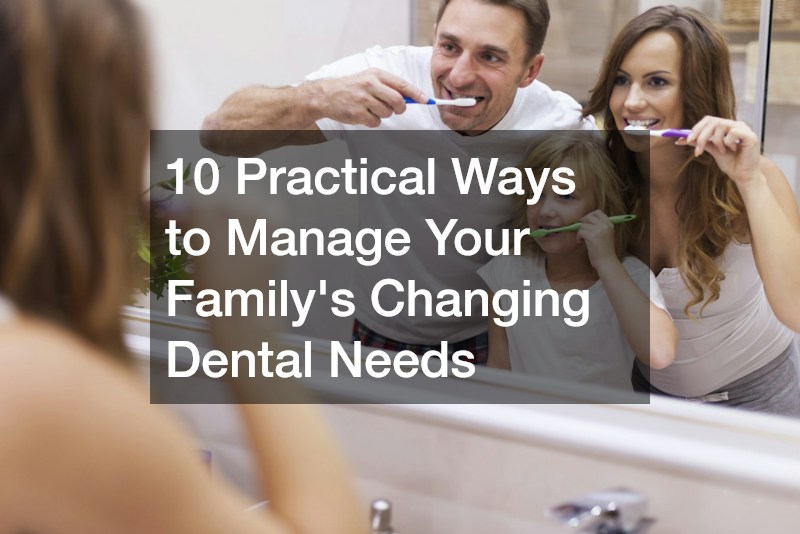
Dental needs don’t stay the same throughout a family’s life. Children develop new teeth and gradually take more responsibility for their oral hygiene, while adults may face restorative needs, gum concerns, tooth loss, or unexpected injuries. Changes in schedules, activities, and household circumstances can also make it harder to keep regular appointments and maintain consistent habits.
Managing these changes becomes easier when dental care is treated as an ongoing part of family planning rather than something addressed only when a problem appears. Preventive visits can help identify developing concerns, while appropriate treatment can address issues before they interfere with eating, speaking, sleeping, or everyday activities.
Recognize When a Tooth Needs More Than Routine Care
Occasional sensitivity doesn’t always indicate a serious problem, but persistent or worsening symptoms deserve professional attention. Tooth pain, prolonged sensitivity to hot or cold, swelling, tenderness, or discomfort when biting can indicate that decay or damage has progressed beyond what routine preventive care can address. Delaying an evaluation can allow an underlying problem to become more complicated.
A root canal may be recommended when the soft tissue inside a tooth becomes infected or severely inflamed. The procedure removes the affected tissue, cleans and disinfects the inside of the tooth, and allows the tooth to be restored rather than automatically removed. Prompt evaluation can help determine whether this treatment is appropriate.
Pay attention to symptoms such as:
- Persistent or severe tooth pain
- Sensitivity that lingers after exposure to heat or cold
- Swelling around a tooth or gum
- Pain when chewing or applying pressure
- A darkened or discolored tooth
Rather than attempting to manage ongoing dental pain at home, schedule an evaluation. Identifying the cause can help determine the appropriate treatment and protect surrounding teeth and tissues.
Coordinate Dental Care Across Different Family Members
Managing several people’s dental needs can become complicated when everyone has different schedules, ages, and treatment requirements. One family member may need only routine preventive visits, while another may need follow-up care or restorative treatment. Children may also require appointments that coincide with school schedules and other activities.
Family dentists can make coordinating care more convenient for households that want a consistent approach to routine dental visits. Keeping appointments organized in one calendar can help prevent preventive care from being overlooked when other responsibilities become demanding.
A simple family dental system can include:
- Recording each person’s next recommended appointment
- Keeping dental insurance and contact information accessible
- Tracking recommended follow-up treatments
- Scheduling routine visits well ahead of time
- Setting reminders for appointments and at-home care
- Keeping notes about changes in medications or relevant health information
It can also help to schedule appointments around predictable periods of the year. Establishing a routine makes dental care easier to maintain even when work, school, travel, and family responsibilities change.
Adapt Children’s Dental Care as They Grow
Children’s dental needs change quickly. Early visits may focus heavily on helping young children become comfortable with dental care, while older children may need more attention to developing permanent teeth, oral hygiene independence, and habits that will continue into adulthood. For families seeking a pediatric dentist in Frisco TX, factors such as the child’s age, comfort level, dental history, and specific needs can help guide the choice of provider.
As children become more independent, parents can gradually shift responsibilities while continuing to provide oversight. Helpful steps include:
- Teaching children how to brush all tooth surfaces
- Introducing flossing when appropriate
- Monitoring brushing until they demonstrate reliable technique
- Discussing the effects of sugary foods and drinks
- Keeping regular preventive appointments
- Encouraging children to describe discomfort rather than ignoring it
The goal is to build habits that children can eventually manage independently. Consistent guidance during these developmental years can give them a stronger foundation for maintaining their oral health later.
Make Dental Spaces More Comfortable and Functional
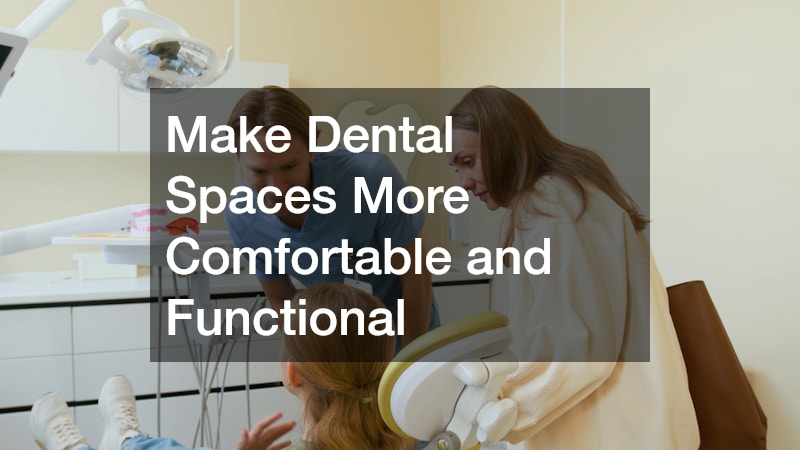
The environment where dental care takes place can influence how efficiently appointments are handled and how comfortable patients feel. An organized clinical space allows dental professionals to access necessary supplies and equipment efficiently, while thoughtfully designed storage can help keep treatment areas orderly.
Custom dental cabinetry can be designed around the specific requirements of a dental practice. Proper storage can help separate supplies, keep frequently used materials accessible, and make better use of available space. From the patient’s perspective, an organized environment can contribute to a cleaner, more comfortable experience.
Important design considerations can include:
- Accessible storage for frequently used supplies
- Efficient use of limited clinical space
- Easy-to-clean surfaces
- Appropriate organization of instruments and materials
- Storage that supports an orderly treatment area
- Layout considerations that accommodate staff movement
For families, the broader lesson is that the quality of the care environment matters too. A well-organized dental setting can support smoother appointments, which can be particularly helpful for children or adults who already feel anxious about dental visits.
Know What to Do After a Dental Injury
Dental injuries can happen during falls, collisions, sports, or other unexpected accidents. A chipped, fractured, loosened, or knocked-out tooth should be evaluated promptly, particularly when there is significant pain, bleeding, swelling, or damage to surrounding tissues.
When an injury occurs because of an accident, there may also be circumstances involving another party’s responsibility. For example, someone injured in a hazardous property condition may need to address both the immediate dental consequences and broader questions about the accident. A person evaluating those circumstances may choose to speak with the best slip and fall lawyer for guidance about the legal aspects of the incident.
After an accident, focus first on appropriate care and documentation:
- Seek medical attention when injuries extend beyond the mouth.
- Contact a dental professional about damaged or displaced teeth.
- Preserve relevant photographs and records of the injury.
- Write down when, where, and how the accident occurred.
- Keep receipts and documentation related to treatment.
- Follow professional instructions for protecting the injured area.
Dental injuries can have lasting consequences, so prompt evaluation is important. Separating immediate health needs from any later legal considerations can also help families respond to the situation in an organized way.
Adjust Care When Tooth Loss Changes Your Needs
Tooth loss can affect much more than appearance. Missing teeth may change how someone chews food, speaks, or feels about smiling. Gaps can also affect the surrounding teeth and the way the mouth functions, making it worthwhile to discuss replacement options rather than simply adapting to the missing tooth.
Denture services can provide solutions for people who have lost multiple teeth or need a removable option for replacing missing teeth. The appropriate type of denture depends on factors such as how many teeth are missing, the condition of the remaining teeth and gums, and the patient’s overall oral needs.
When considering tooth replacement, discuss:
- How many teeth need to be replaced
- The condition of the remaining teeth
- Gum and jaw health
- Comfort and fit
- Cleaning and maintenance requirements
- How the replacement will affect eating and speaking
Replacement teeth also require ongoing care. Regular dental visits can help monitor oral tissues, evaluate fit, and address changes that may develop over time. A comfortable and properly maintained replacement can make everyday activities easier while supporting continued oral health.
Have a Plan for Unexpected Dental Problems
Dental emergencies don’t always happen during normal office hours. Severe tooth pain, significant swelling, dental trauma, or a knocked-out tooth can occur at night, during weekends, or while a family is traveling. Knowing what constitutes an urgent problem can help people respond more quickly instead of waiting and hoping symptoms disappear.
Access to 24 hour dental care can be particularly valuable when a problem requires prompt professional assessment outside a regular appointment schedule. Families should know where they can seek help before an emergency occurs rather than trying to locate a provider while dealing with severe pain or an injury.
Prepare for unexpected problems by:
- Saving emergency dental contact information
- Knowing the location of available urgent dental services
- Keeping basic oral care supplies accessible
- Learning how to respond to a knocked-out or damaged tooth
- Knowing which symptoms require immediate attention
- Keeping relevant medical and dental information available
Not every dental concern is an emergency, but severe pain, substantial swelling, uncontrolled bleeding, and serious injuries should not be ignored. Having a plan can reduce stress and help families make decisions when quick action matters.
Give Children Age-Appropriate Guidance and Support
Children can have very different reactions to dental visits depending on their age, previous experiences, and understanding of what will happen. A young child may need reassurance and simple explanations, while an older child may benefit from taking more responsibility for daily oral care and asking questions during appointments.
Pediatric dentists can help children become more familiar with dental visits while monitoring their developing teeth and oral health. Parents can reinforce that experience at home by treating brushing and dental appointments as normal parts of everyday life rather than something associated only with discomfort.
Parents can support positive habits by:
- Using age-appropriate explanations about dental care
- Allowing children to ask questions about appointments
- Establishing consistent brushing routines
- Helping younger children brush effectively
- Praising consistent effort rather than focusing only on results
- Avoiding language that can make dental treatment sound frightening
As children mature, gradually giving them more responsibility can help develop independence. Parents should still monitor habits and follow professional recommendations, particularly when children are transitioning from primary teeth to permanent teeth.
Pay Attention to Changes in Your Gums
Healthy teeth depend partly on healthy gums. Changes such as persistent bleeding, swelling, redness, tenderness, gum recession, or changes in how teeth fit together can indicate that the gums need closer attention.
Periodontists specialize in preventing, diagnosing, and treating conditions involving the gums and other structures that support the teeth. A general dental professional may recommend periodontal evaluation when symptoms or examination findings suggest that more specialized care would be beneficial.
Families should pay attention to:
- Bleeding that occurs regularly when brushing or flossing
- Persistent gum swelling or tenderness
- Receding gums
- Persistent bad breath
- Loose or shifting teeth
- Changes around existing dental work
Daily brushing and flossing remain important, but they don’t replace professional evaluation. Keeping routine appointments gives dental professionals opportunities to identify changes and recommend appropriate care. Addressing gum concerns early can also help protect the structures that support the teeth.
Protect Children’s Teeth During Busy Activity Seasons
Children’s routines often become less predictable during school breaks and activity-heavy seasons. Travel, sports, camps, and extended time away from home can make regular brushing and flossing harder to maintain. Preparing ahead can help children continue their normal oral care even when their environment changes.
A summer camp stay, for example, may mean children need to manage their dental routine without the same parental reminders they receive at home. Parents can make that easier by packing familiar supplies and explaining how to handle common situations before the child leaves.
A simple dental care kit can include:
- A toothbrush and fluoride toothpaste
- Dental floss or other recommended cleaning aids
- A protective case for oral appliances
- Any prescribed dental products
- A written reminder about the child’s normal routine
- Emergency contact information when appropriate
Parents should also discuss what children should do if they experience tooth pain, damage a tooth, lose an oral appliance, or run out of supplies. Giving children practical instructions helps them take more responsibility while keeping oral health from being overlooked during busy periods.
Managing a family’s dental needs becomes easier when care evolves alongside the people who depend on it. Children need guidance as their teeth and habits develop, adults may eventually require restorative or periodontal care, and unexpected injuries or emergencies can create needs that weren’t part of the original plan. Household schedules can change just as quickly, making organization and preparation important parts of maintaining consistent dental care.
The most effective approach is to combine regular preventive visits with attention to changes in symptoms, oral health, and daily routines. Families can make appointments easier to manage by keeping records organized and planning around predictable schedule changes. Preparing for emergencies and activity-heavy periods can also reduce stress when normal routines are interrupted.
By treating dental care as an ongoing responsibility rather than an occasional task, families can respond more effectively as their needs change. A flexible approach can help protect oral health while making dental care a more manageable part of everyday family life.
