


Maintaining a healthy smile is a lifelong commitment that extends far beyond aesthetic appeal. Oral health is a critical window into your overall systemic well-being, with significant links to cardiovascular health, diabetes management, and respiratory function. While many view dental visits as a reactive necessity for pain relief, the most successful approach to oral care is rooted in prevention and the integration of specialized treatments. From the first tooth of a toddler to the complex restorative needs of seniors, understanding the full spectrum of dental services allows families to make informed decisions about their care. By prioritizing consistent maintenance and modern technology, you can ensure that your smile remains functional, comfortable, and vibrant at every stage of life.
Establishing a Foundation With Comprehensive Preventative Care
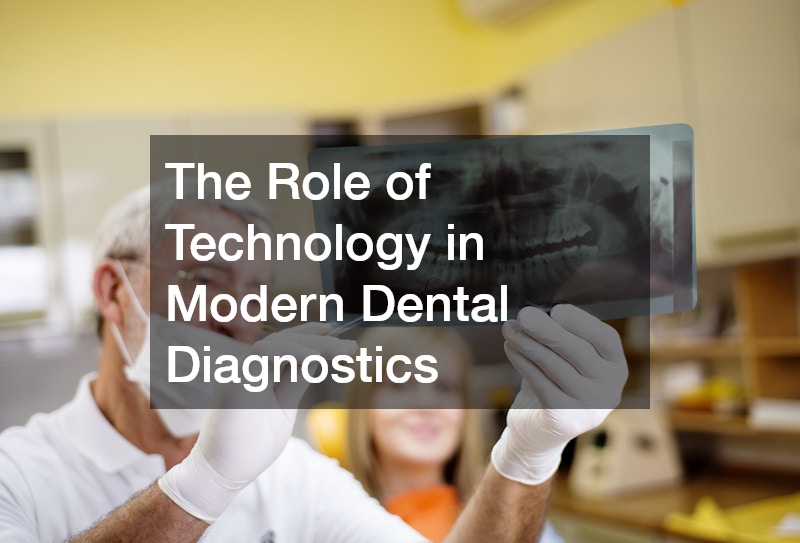
The journey to a healthy mouth begins with the routine check-up. These appointments serve as the primary defense against the progression of tooth decay and periodontal disease. During a standard visit, a professional dentist evaluates the health of the gums, teeth, and soft tissues, looking for early indicators of issues that might not yet be causing pain. Digital X-rays and intraoral cameras allow for a level of diagnostic precision that was impossible in previous decades. By catching small cavities or early-stage gingivitis, patients can avoid more invasive and costly procedures in the future, maintaining the natural structure of their teeth for as long as possible.
The Importance of Professional Hygiene and Maintenance
Even with diligent brushing and flossing at home, certain areas of the mouth are difficult to clean effectively. Plaque that is left behind can harden into tartar, which can only be removed by a professional using specialized tools. Scheduling a regular teeth cleaning is essential for removing these deposits and preventing the inflammation that leads to gum recession and bone loss. Beyond the physical cleaning, these sessions often include fluoride treatments or dental sealants to provide an extra layer of protection against acid-producing bacteria. Professional hygiene is the cornerstone of a preventative strategy, ensuring that the mouth remains a healthy environment for the teeth and supporting structures.
Specialized Care for the Youngest Smiles
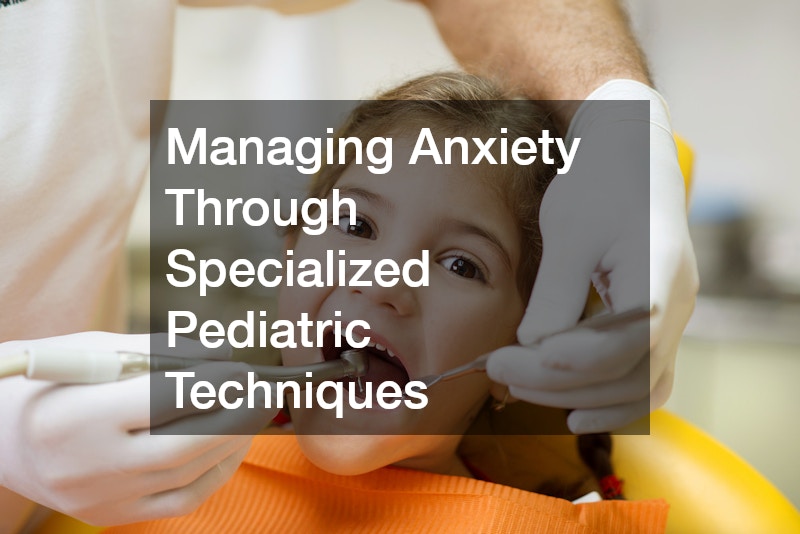
Introducing children to the dental environment early is vital for preventing “dental phobia” and establishing healthy habits. Finding the right environment for a child’s first visit can make a significant difference in their long-term perception of healthcare. Many parents seek out dedicated pediatric dentist offices because these facilities are designed specifically to put young patients at ease. From smaller tools and child-sized chairs to a staff trained in behavior management, pediatric specialists ensure that every visit is educational and positive. Monitoring the development of a child’s jaw and the eruption of permanent teeth allows for early intervention in cases of crowding or bite alignment issues.
Managing Anxiety Through Specialized Pediatric Techniques
For some children, the sensory experience of a dental office can be overwhelming, especially if they require extensive treatment for cavities or developmental issues. In these cases, a gentle approach is required to ensure the child remains safe and comfortable. Utilizing kids sedation dentistry allows the dental team to perform necessary procedures while the child is in a relaxed, often sleepy state. This technique is particularly beneficial for children with high anxiety, sensory processing disorders, or those who need multiple procedures handled in a single visit. By removing the stress of the procedure, dental teams can focus on high-quality clinical work while the child avoids a traumatic experience that could influence their future willingness to seek care.
Coordinating Long-Term Health With a Unified Approach
For busy households, the convenience of having all family members treated under one roof cannot be overstated. Establishing a relationship with family dentists allows for a cohesive medical history that tracks genetic trends and shared lifestyle habits across generations. Family-focused practices are adept at transitioning patients from childhood through adolescence and into adulthood, providing a sense of continuity and trust. This long-term relationship ensures that the dental team understands the unique needs of every family member, whether they are focused on preventative sealants, wisdom tooth monitoring, or age-related restorative needs.
Restoring Function and Confidence With Modern Replacements
When a tooth is lost due to injury or decay, the impact is felt in more than just the appearance of the smile. Missing teeth can cause the surrounding teeth to shift, leading to bite misalignment and increased wear. One of the most effective long-term solutions for tooth loss is the use of implants. Unlike traditional options that sit on top of the gums, these devices are surgically placed into the jawbone, where they integrate with the natural bone tissue to provide a stable foundation for a crown. This technology mimics the function of a natural tooth root, preventing the bone resorption that typically follows tooth loss and allowing patients to eat, speak, and smile with total confidence.

Enhancing Quality of Life With Comprehensive Restorative Solutions
For patients who are missing multiple teeth or an entire arch, restorative dentistry offers a variety of paths back to full function. Professional dental implant services can be used to support fixed bridges or even full sets of teeth, providing a permanent alternative to removable options. These services focus on the precision placement of titanium posts to maximize stability and longevity. For those who are not candidates for surgery or prefer a non-invasive approach, modern dentures have evolved significantly. Today’s partial and full dentures are crafted from high-quality materials that look more natural and fit more securely than ever before, ensuring that patients can regain their quality of life and nutritional health.
Navigating the Alignment of the Jaw and Teeth
Proper alignment is about more than just a straight smile; it is about the functional harmony of the jaw. Misaligned teeth can cause uneven wear, difficulty cleaning certain surfaces, and even chronic jaw pain or headaches. Consulting with local orthodontists allows for a detailed analysis of the bite and the relationship between the upper and lower jaws. Modern orthodontics offers a range of options beyond traditional metal braces, including clear aligners and lingual braces that are nearly invisible. By correcting these issues during adolescence or even into adulthood, patients can improve their oral hygiene and avoid the long-term complications associated with a malocclusion.
Prioritizing Holistic Health and Biocompatible Materials
In recent years, there has been a growing interest in the materials used within the mouth and their potential impact on the rest of the body. Many patients are now seeking out mercury free dentistry as part of a more holistic approach to their health. This philosophy focuses on using biocompatible materials, such as composite resins and ceramics, rather than traditional silver-mercury amalgams. Beyond the aesthetic benefits of tooth-colored fillings, this approach emphasizes the safe removal of old materials and the use of techniques that preserve as much of the natural tooth structure as possible. By considering the systemic impact of dental treatments, patients can align their oral care with their overall wellness goals.
The Role of Technology in Modern Dental Diagnostics
The integration of artificial intelligence and 3D printing is transforming the speed and accuracy of dental care. We can now create crowns and veneers in a single visit using CAD/CAM technology, eliminating the need for temporary restorations. Digital impressions have largely replaced the uncomfortable putty molds of the past, providing a more comfortable experience for the patient and a more precise model for the lab. These technological advancements ensure that every restoration is tailored to the exact specifications of the patient’s mouth, leading to better fits, higher comfort levels, and more predictable long-term outcomes for complex restorative work.
Understanding the Link Between Gum Health and Systemic Wellness
Periodontal health is the foundation upon which all other dental work is built. Chronic gum disease is an inflammatory condition that can enter the bloodstream and contribute to issues like heart disease and stroke. This is why managing gum health is a primary focus of modern dentistry. Patients with deep periodontal pockets may require specialized deep cleanings or laser therapy to eliminate bacteria and encourage the reattachment of the gum tissue to the teeth. By maintaining healthy gums, you are protecting not just your teeth, but your entire cardiovascular and immune systems, highlighting the role of the dental professional as a vital member of your overall healthcare team.
Cosmetic Dentistry and the Psychology of the Smile
While the primary goal of dentistry is health and function, the aesthetic appearance of the teeth has a profound impact on self-esteem and social confidence. Cosmetic treatments, including professional whitening, porcelain veneers, and gum contouring, allow patients to address imperfections that may have bothered them for years. A confident smile can improve social interactions and professional opportunities, proving that cosmetic enhancements have a tangible psychological benefit. Modern cosmetic dentistry focuses on a “natural” look, ensuring that enhancements complement the patient’s facial features while maintaining the underlying health of the teeth and gums.
Nutrition and Its Impact on Oral Resilience
The battle against tooth decay is often won or lost in the kitchen. Diets high in refined sugars and acidic beverages provide constant fuel for the bacteria that cause enamel erosion. Conversely, a diet rich in calcium, phosphorus, and leafy greens provides the minerals necessary for the remineralization of the teeth. Many dental practices now offer nutritional counseling as part of their standard care, helping patients understand how their dietary choices influence their risk of cavities and gum disease. Proper hydration is also essential, as saliva is the mouth’s primary natural defense against acid attacks and bacterial growth.
Managing Dental Emergencies and Acute Pain
Dental emergencies, such as a knocked-out tooth, a fractured crown, or a severe abscess, require immediate professional attention to save the tooth and prevent the spread of infection. Most modern practices reserve time in their schedules for emergency visits, ensuring that patients in pain can receive relief quickly. Knowing how to handle a dental emergency—such as keeping a dislodged tooth in a container of milk or warm water—can be the difference between losing and saving a tooth. Proactive emergency care is essential for managing trauma and ensuring that minor accidents do not lead to permanent tooth loss or systemic health complications.
The Future of Regenerative Dentistry and Stem Cell Research
We are entering an era where we may one day be able to regrow natural tooth structures using stem cell technology. While still in the research and clinical trial stages, regenerative dentistry holds the promise of growing new dentin or even entire teeth to replace those lost to disease or injury. This would represent a paradigm shift from traditional “drill and fill” or replacement dentistry to a truly biological approach. Staying informed about these advancements allows patients to understand the direction of modern medicine and the incredible potential for lifelong oral health that lies just on the horizon.
Environmental Sustainability in the Dental Office
As with many industries, the dental field is moving toward more sustainable practices to reduce its environmental footprint. This includes the reduction of single-use plastics, the implementation of digital record-keeping to save paper, and the use of dry vacuum systems to conserve water. Many patients now prioritize “green” dental offices that use eco-friendly sterilization techniques and non-toxic cleaning products. By choosing a practice that values sustainability, patients can ensure that their healthcare choices support the health of the planet as well as the health of their own smiles.
The Impact of Sleep Apnea and Airway Health on Dentistry
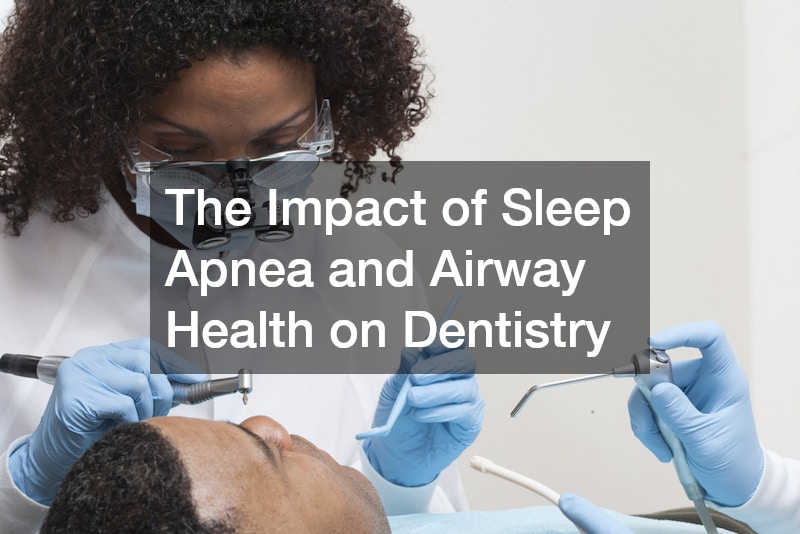
Modern dentists are often the first to identify signs of obstructive sleep apnea or other airway issues. By observing signs like teeth grinding (bruxism), a narrow palate, or an enlarged tongue, dental professionals can screen patients for sleep-disordered breathing. Treating these issues often involves the use of custom-made oral appliances that hold the jaw in a forward position during sleep, keeping the airway open without the need for a CPAP machine. This intersection of dentistry and sleep medicine is a vital part of managing long-term health, as untreated sleep apnea is linked to high blood pressure, fatigue, and heart failure.
Financial Planning and Transparency in Oral Healthcare
Navigating the costs of dental care is an important part of maintaining a consistent routine. Many practices offer transparent pricing and work with a variety of insurance providers to maximize patient benefits. For those without insurance, membership plans or third-party financing can make high-quality care more accessible. Investing in preventative care today is the most effective way to avoid the high costs of restorative and surgical interventions later. By having honest conversations with the dental administrative team about budgets and priorities, patients can create a long-term plan that fits their financial reality while never compromising on the quality of their care.
Personalized Oral Care Protocols for Aging Adults
As we age, our dental needs change. Issues like dry mouth (often caused by medications), root decay, and the maintenance of older restorations become primary concerns. Geriatric dentistry focuses on these specific challenges, ensuring that seniors can continue to eat a varied diet and communicate clearly. For patients with mobility or cognitive challenges, the dental team works closely with caregivers to ensure that oral hygiene remains a priority. Maintaining a healthy mouth in the later stages of life is essential for preventing nutritional deficiencies and systemic infections, proving that dental care is a lifelong journey of adaptation and support.
Embracing a Lifetime of Confident Smiles
Your oral health is a dynamic part of your identity and your physical wellness. From the foundational care of a general check-up to the advanced restorative potential of modern implants, the resources available today are more effective and comfortable than ever before. By building a strong relationship with your dental team and staying committed to both professional and home care, you can navigate the complexities of life with a smile that is as strong as it is beautiful. Your teeth are designed to last a lifetime; treating them with the respect and proactive care they deserve is an investment in your health, your confidence, and your future.


