
Maintaining optimal physical health and long-term vitality requires a well-rounded, proactive strategy that supports every aspect of human wellness. Oral care stands at the absolute center of this lifelong endeavor, serving as a vital indicator of systemic health and a primary gateway to overall physical comfort. The condition of a person’s teeth, gums, and supporting jaw structure influences everything from basic daily nutrition and clear speech to interpersonal confidence and systemic cardiovascular function.
Navigating the complex landscape of modern healthcare, education, and household management means making informed, strategic decisions at every stage of life. Understanding how routine preventive maintenance connects with broader health resources, specialized clinical care, and supportive family environments empowers households to thrive. This comprehensive guide outlines key principles for long-term health, family development, and professional care strategies to ensure a secure, balanced future for your loved ones.
1. Establishing Long-Term Oral Health Through Preventive Habits
Building a foundation for lifelong oral wellness requires consistent daily attention combined with professional diagnostic care. Plaque continuously forms on tooth enamel throughout the day, harboring micro-organisms that convert dietary sugars into destructive acids. If left unaddressed, these acidic byproducts dissolve mineral structures within the enamel, leading to decay, soft tissue inflammation, and eventual bone loss.
Establishing a routine partnership with a trusted dentist ensures that home hygiene efforts are reinforced by professional clinical cleanings and diagnostic evaluations. Hygienists utilize specialized instruments to clear hardened calculus deposits from subgingival areas that standard toothbrushes cannot reach, effectively halting the progression of gum inflammation before it causes permanent structural damage.
-
Biannual Clinical Evaluations: Regular checkups allow clinicians to identify early enamel demineralization, micro-fractures, and soft tissue anomalies before they develop into major issues.
-
Targeted Fluoride Protocols: Applying professional-grade fluoride treatments remineralizes weak spots in enamel, increasing its resistance to bacterial acid attacks.
-
Intraoral Digital Imaging: High-resolution digital scans provide clear visual access to hidden interdental spaces, root structures, and underlying jawbone density.
-
Customized Home Hygiene Planning: Clinical teams tailor daily brushing and flossing techniques to match each patient’s specific anatomical features and dental history.
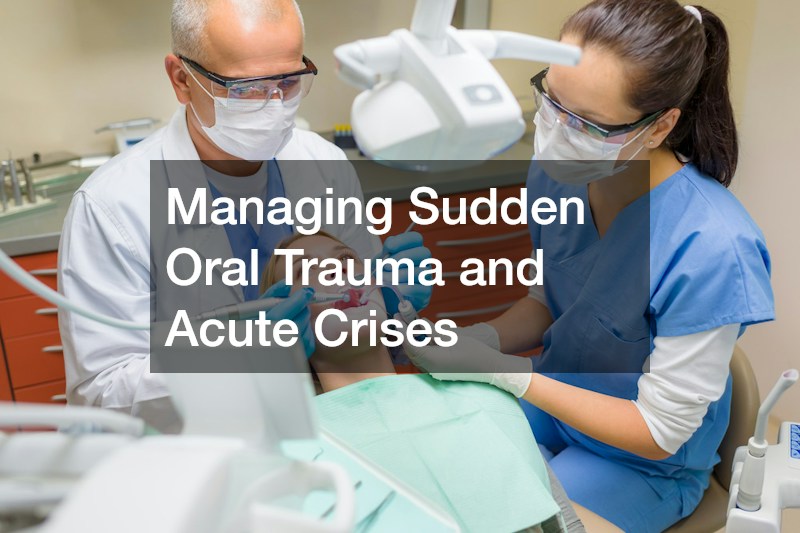
2. Managing Sudden Oral Trauma and Acute Crises
Accidents, sudden structural fractures, and deep-seated infections can strike at any moment, creating intense physical distress and threatening the survival of natural teeth. Recognizing the warning signs of an acute oral infection—such as severe localized pain, lingering sensitivity to thermal changes, or facial swelling—is essential for preventing widespread systemic complications.
Contacting an experienced emergency dentist immediately upon experiencing severe pain or traumatic impact dramatically increases the likelihood of saving compromised teeth. Specialized urgent care protocols focus on swift pain management, stabilizing loose or displaced teeth, and controlling bacterial infections through targeted interventions and therapeutic drainage.
-
Knocked-Out Tooth Stabilization: Re-implanting a completely dislodged tooth within thirty minutes offers the highest probability of successful periodontal reattachment.
-
Rapid Infection Control: Treating acute abscesses through localized drainage and therapeutic antibiotics halts dangerous bacterial spread into surrounding facial tissues.
-
Restoration of Broken Enamel: Applying temporary or permanent composite resins over exposed dental nerves eliminates severe sensitivity and prevents infection.
-
Managing Soft Tissue Trauma: Treating lacerations to the lips, tongue, and inner cheek tissues reduces bleeding and promotes rapid, clean healing.
3. Integrating Mind and Body Wellness Across Care Environments
Physical health and emotional balance are deeply interconnected. Chronic physical pain, systemic illness, or severe dental anxiety can significantly impact psychological well-being, while unmanaged stress and emotional distress often manifest physically through muscle tension, teeth grinding, and weakened immune function.
Coordinating care with a specialized mental health treatment center helps individuals manage deep-seated anxieties, behavioral stress, and emotional trauma that may interfere with their health routines. Addressing psychological wellness alongside physical health creates a supportive foundation, enabling patients to approach clinical visits, daily self-care, and life changes with confidence and resilience.
-
Cognitive Behavioral Strategies: Evidence-based therapies help patients reframe fearful thought patterns regarding clinical procedures and medical environments.
-
Stress-Reduction Techniques: Learning mindfulness and controlled breathing exercises reduces muscle tension and minimizes involuntary jaw clenching.
-
Holistic Wellness Support: Integrated care plans address sleep hygiene, lifestyle factors, and emotional balance alongside physical therapies.
-
Comprehensive Patient Advocacy: Collaborative care models ensure that physical healthcare providers and emotional wellness specialists communicate effectively.
4. Addressing Occupational Pain and Rehabilitation Opportunities
Physically demanding occupations and long-term repetitive tasks can take a toll on the human body, leading to chronic musculoskeletal strain, nerve compression, and persistent joint discomfort. Healthcare professionals, industrial workers, and office personnel alike frequently face physical challenges that stem from prolonged improper posture and ergonomic strain.
Exploring specialized clinical roles and physical rehabilitation avenues targeting pain jobs allows healthcare organizations to recruit dedicated specialists who focus exclusively on chronic pain management. These practitioners design targeted physical therapy regimens, ergonomic workplace modifications, and interventional treatments that help patients regain mobility, reduce discomfort, and return to daily activities safely.
-
Ergonomic Workplace Assessment: Evaluating posture and equipment setup minimizes chronic strain on the spinal column, shoulders, and jaw joints.
-
Interventional Pain Therapies: Utilizing targeted injections, physical manipulation, and therapeutic exercise routines relieves localized nerve and muscle pain.
-
Rehabilitative Exercise Regimens: Customized strengthening programs restore joint stability, improve flexibility, and prevent recurrent occupational injuries.
-
Multidisciplinary Rehabilitation: Combining physical therapy, massage, and medical oversight provides comprehensive relief for long-term physical discomfort.
5. Modern Infrastructure and Technical Standards in Clinical Spaces
The design and structural layout of modern healthcare facilities play a critical role in patient safety, clinical efficiency, and infection control. Advanced treatment suites require specialized infrastructure to accommodate complex utility networks, negative-pressure ventilation systems, and precision-engineered medical equipment.
Partnering with specialized firms experienced in medical construction ensures that clinical environments meet strict regulatory standards, state health codes, and advanced infection control protocols. Meticulously designed facilities feature touchless sanitation zones, specialized utility routing, and acoustically isolated treatment rooms that enhance patient privacy and comfort.
-
Advanced Air Filtration Networks: High-efficiency particulate air (HEPA) systems continuously refresh indoor air, eliminating airborne contaminants and aerosols.
-
Sterile Central Supply Layouts: Dedicated workflow zones separate contaminated instrument processing from sterile storage areas to prevent cross-contamination.
-
Integrated Utility Infrastructure: Concealed lines for compressed air, vacuum suction, and water purification support seamless clinical operations.
-
Acoustic and Ergonomic Design: Sound-dampening wall assemblies and pressure-relieving flooring create a quiet, comfortable environment for patients and staff.
6. Understanding Environmental Factors and Consumer Safety Protections
Protecting long-term family health extends beyond personal hygiene and medical visits; it also involves maintaining a safe home environment free from harmful industrial pollutants and environmental toxins. Per- and polyfluoroalkyl substances (PFAS), often called “forever chemicals,” have historically been used in cookware, stain-resistant fabrics, and fire-retardant foams, raising significant concerns regarding long-term environmental exposure.
Consulting a specialized pfas law firm provides individuals, communities, and municipalities with expert guidance when navigating complex environmental contamination cases and health exposure claims. Legal advocates assist families in seeking accountability, funding environmental remediation efforts, and securing resources for specialized medical monitoring when water supplies or residential areas have been impacted by chemical runoff.
-
Environmental Exposure Assessment: Evaluating local water quality reports and soil tests identifies potential chemical contaminants in residential zones.
-
Legal Advocacy and Accountability: Pursuing legal remedies against responsible manufacturing entities helps secure funding for community cleanups.
-
Health Monitoring Resources: Specialized legal representation helps affected individuals gain access to medical screenings for long-term chemical exposure risks.
-
Regulatory Compliance Tracking: Environmental legal teams monitor evolving state and federal safety standards regarding industrial chemical disclosures.
7. Supporting Aging Loved Ones with Comprehensive In-Home Care
As family members age, maintaining personal independence, safety, and dignity within the home becomes a primary goal. Chronic health conditions, mobility limitations, and cognitive changes can make daily tasks—such as meal preparation, medication management, and personal hygiene—increasingly challenging for older adults.
Utilizing a professional home care service allows seniors to receive compassionate, individualized assistance tailored to their functional needs without leaving the comfort of their familiar surroundings. Trained caregivers assist with daily living activities, physical mobility, and health management, providing vital support that enhances quality of life for aging individuals.
-
Assistance with Daily Activities: Caregivers help with bathing, dressing, grooming, and mobility, ensuring personal comfort and hygiene.
-
Medication Management Support: Timely reminders and organized medication schedules prevent missed doses and accidental double-dosing.
-
Nutritional Meal Preparation: Preparing balanced, home-cooked meals caters to dietary restrictions and supports overall physical health.
-
Companionship and Engagement: Regular social interaction, conversation, and recreational activities promote cognitive health and reduce feelings of isolation.
8. Preserving Family Independence Through Personalized Assistance
Providing long-term support for aging or recovering family members involves creating a safe, adaptable living environment that accommodates changing physical abilities. Falling hazards, difficult stairways, and inaccessible bathroom facilities can pose significant safety risks for individuals recovering from surgery or managing chronic illness.
Implementing comprehensive home care strategies focuses on modifying living spaces, introducing mobility aids, and coordinating non-medical support to ensure safety and comfort. By combining environmental adaptations with dedicated caregiver assistance, families can preserve independence and peace of mind while preventing home accidents and avoidable hospital readmissions.
-
Home Safety Environment Modifications: Installing grab bars, non-slip flooring, and improved lighting drastically reduces the risk of accidental falls.
-
Post-Surgical Recovery Support: Dedicated assistance following major medical or dental surgeries allows patients to rest and recover safely at home.
-
Respite Care for Family Caregivers: Professional care coverage gives primary family caregivers essential time to rest, work, and attend to personal needs.
-
Individualized Support Plans: Flexible schedules accommodate everything from a few hours of weekly support to continuous, round-the-clock assistance.
9. Fostering Educational and Social Foundations in Early Childhood
A child’s early years represent a critical window of rapid brain development, social learning, and emotional growth. Establishing positive social habits, physical health routines, and cognitive curiosity during these formative years sets the trajectory for future academic and personal success.
Enrolling young children in accredited pre schools introduces them to structured play, cooperative social interaction, and early foundational learning in a warm, supportive environment. Early childhood educators work closely with families to encourage communication skills, emotional self-regulation, and fine motor coordination through creative, hands-on activities.
-
Social Interaction and Empathy: Group play teaches children sharing, active listening, conflict resolution, and cooperative teamwork.
-
Pre-Literacy and Numeracy Skills: Engaging storytelling, song, and counting games build early vocabulary, phonetic awareness, and logical reasoning.
-
Fine and Gross Motor Development: Art projects, building blocks, and outdoor play refine hand-eye coordination and physical strength.
-
Smooth Educational Transitions: Structured daily schedules prepare young learners for the expectations and routines of primary school environments.
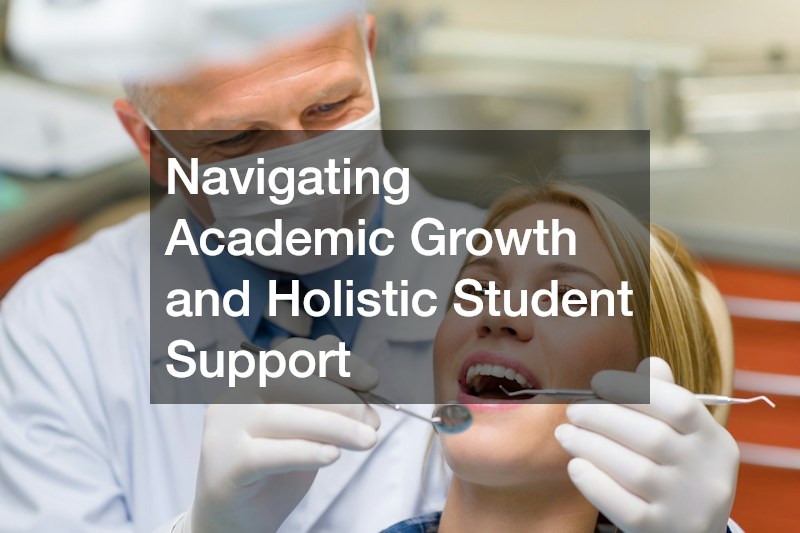
10. Navigating Academic Growth and Holistic Student Support
As children transition from early childhood into adolescence, their educational environments must adapt to meet evolving intellectual, social, and physical needs. Modern academic institutions play a dual role, providing rigorous intellectual training while supporting physical health, emotional well-being, and community involvement.
Selecting high-quality schools ensures that students gain access to comprehensive academic curricula, athletic programs, and health education initiatives. Educational environments that prioritize holistic student wellness teach young people the importance of balanced nutrition, physical activity, and consistent hygiene, equipping them to make smart lifestyle choices throughout their lives.
-
Comprehensive Academic Frameworks: Advanced curricula in science, humanities, and technology develop critical thinking and research capabilities.
-
Athletic and Wellness Opportunities: Organized sports and physical education encourage lifelong fitness habits, teamwork, and leadership.
-
Health and Hygiene Education: Interactive instruction reinforces proper oral care, balanced nutrition, and healthy daily habits.
-
Supportive Guidance Counseling: Mentorship programs assist students with academic planning, social development, and career exploration.
Building a secure, healthy, and fulfilling life for your family requires a thoughtful, multi-faceted strategy that encompasses physical health, safe living environments, quality education, and professional care resources. By prioritizing routine preventive dental care, staying prepared for acute medical events, and creating supportive environments for aging loved ones and growing children in preschools, households establish a resilient foundation for long-term well-being. Every proactive step—from maintaining oral health and modifying living spaces for safety to choosing exceptional educational programs and accessing expert legal guidance—contributes directly to a safer, happier home.
Furthermore, integrating structured healthcare management and maintaining open communication across all professional disciplines ensures that minor wellness concerns are identified before they develop into complex financial or emotional burdens. Establishing organized family records—ranging from medical histories and legal directives to academic progress reports—streamlines decision-making during critical life transitions and sudden emergencies. Taking time to periodically review and update these family care strategies allows households to adapt seamlessly to changing circumstances, whether navigating early childhood milestones or managing long-term eldercare needs. Ultimately, taking a proactive, well-researched approach to comprehensive family wellness safeguards your household’s financial stability, enhances daily peace of mind, and ensures that your loved ones remain fully protected, supported, and empowered through every stage of life.